The United Kingdom is actively engaging with US authorities to prevent a potential diesel export ban, Chancellor John Healey confirmed. Meanwhile, the government has also started preparing for such a prohibition. The move follows a significant surge in fuel costs across the nation.
On Monday, average diesel prices in the UK reached an unprecedented 199.33 pence per litre. This figure surpasses the previous record of 199.09 pence set in June 2022. Global supply pressures, stemming from the US-Israel conflict with Iran and Russia’s ongoing war with Ukraine, largely contribute to these elevated prices.
Fuel prices are indeed climbing worldwide. US President Donald Trump recently threatened to halt diesel exports, stating over the weekend: “We’re thinking about it very seriously.” Such a measure would aim to lower domestic prices for American consumers. This consideration comes ahead of crucial midterm elections in the US.
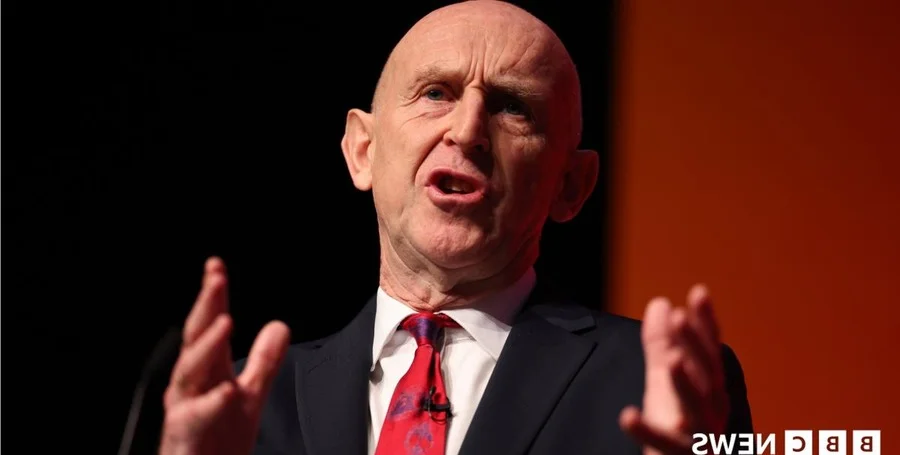
Chancellor Healey acknowledged that UK diesel prices are “extreme.” He confirmed that discussions are underway with the US. Moreover, the UK is making provisions for potential shortages, including assessing its own domestic stocks. The nation relies on the US for approximately a third of its diesel imports; therefore, a ban would push prices even higher.
Speaking at the annual Labour Party Conference in Liverpool, Healey emphasised close collaboration with the Americans. He noted efforts to find a diplomatic settlement for the Middle East conflict. Such a resolution, he believes, would significantly ease the current supply pressures.
Petrol prices are also continuing to rise, with a litre currently costing 174.23 pence. Over the past seven months, the Iran conflict has severely disrupted wholesale oil production and transportation in the region. Consequently, the cost of oil-derived fuels has surged.
Motoring organisations have described diesel prices as entering “uncharted territory.” This situation highlights the UK’s vulnerability to distant international events. Chancellor Healey expressed awareness of these cost-of-living pressures as he prepares a “breathing space” Budget for October 28.
A freeze on fuel duty, initially implemented by the previous government in 2022, is scheduled to expire at year-end. This means duty is set to increase by 3 pence in January and a further 2 pence in March. Ultimately, Healey stated, a resolution in the Middle East is vital. It would ease the extreme cost pressures currently facing businesses, households, and ordinary families at the pumps.