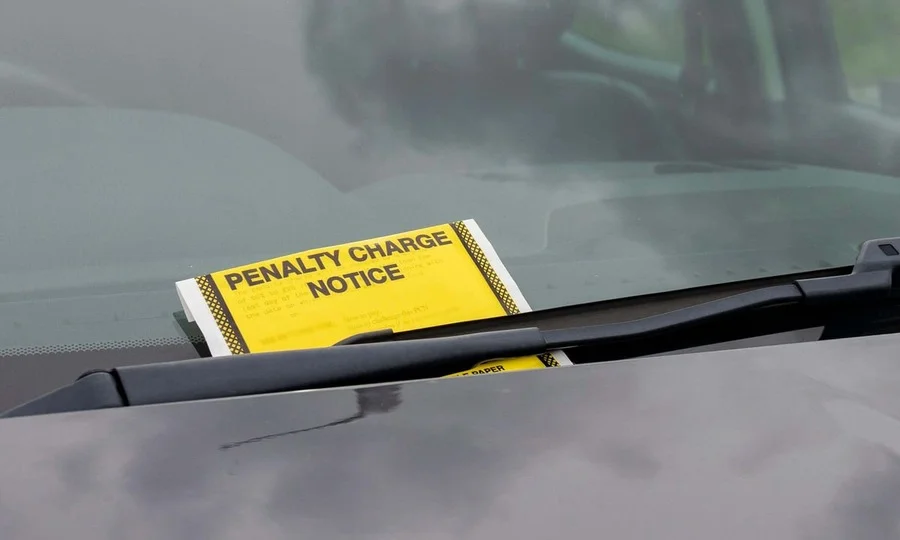
Motorists will gain significant new rights to challenge unfair private parking charges. The Government has announced a comprehensive code of practice. This code aims to protect drivers from excessive penalties. Widespread public concern over current practices prompted this initiative.
Under the new regulations, drivers will receive a guaranteed five-minute period. This allows them to decide whether to park. Additionally, a 10-minute grace period will apply once a parking session concludes. Motorists can then leave without facing an immediate fine. These changes introduce greater flexibility.
The code also establishes clearer grounds for appeal. Drivers can now have charges cancelled for honest errors. For example, briefly stopping to verify directions qualifies. Furthermore, unavoidable incidents like vehicle breakdowns or medical emergencies will no longer result in penalties. Issues with broken ticket machines are also covered.
For specific mistakes, the maximum appeal charge will drop significantly. This includes incorrect vehicle registration input or forgetting a parking permit. Affected drivers will face a cap of just £20. This represents a substantial reduction from previous potential fines.
Prime Minister Andy Burnham lauded the reforms. He stated that minor delays or typing errors should not lead to “hefty fines.” The Prime Minister emphasized stopping “rip-offs” for private parking charges. He aims to introduce clearer rules, longer grace periods, and lower charges for genuine errors.
Crucially, private parking charges will be frozen at a maximum of £100. Operators failing to comply with the new code risk losing access to crucial DVLA data. Companies currently rely on this data to pursue parking charges from vehicle owners.
Recent figures highlight the need for reform. Private businesses issued a record 16.9 million parking tickets in the year ending March. This marks a significant increase from 14.4 million a year earlier. It is also up from 6.8 million in 2018/19.
With each ticket potentially costing up to £100, the total daily cost could exceed £4.6 million. The parking industry previously attributed this rise to an increase in managed car parks. However, these new measures seek to balance management with fairness.
The new private parking code of practice will apply across England, Scotland, and Wales. For the first time, a fully independent scrutiny and oversight board will be established. This board will review data reported by operators on issued charges and appeal handling.
Moreover, the Government will consult on private parking debt recovery fees. This includes a potential reduction or complete abolition of the existing £70 cap. Simon Williams, head of policy at RAC, called the code a “step in the right direction.” However, he expressed disappointment that a ban on debt recovery fees and a single appeals body were not included.
Nicholas Lyes from IAM RoadSmart echoed these sentiments. He welcomed new protections but also advocated for a single appeals system. Meanwhile, Alison Tooze of the British Parking Association “welcomed” the new code. She described it as an “important step forward” for motorists and operators, building on existing voluntary principles.
The new code is expected to come into force by the end of this year. However, shadow transport minister Greg Smith criticized the announcements. He claimed the Labour Government was “doubling parking fines” elsewhere. He also described the five-minute grace period as insufficient.
Mr. Smith highlighted that the £100 maximum remains. He questioned the failure to ban debt recovery fees. He concluded that “Labour’s war on drivers carries on regardless.” This contrasted sharply with the Conservative “Plan for Drivers.”